

23 Aug The Nozempic Diet Principle 4: Fill Up On Fibre
How important is fibre when it comes to weight loss? It’s a topic I address in my new book, The Nozempic Diet, published by Bluebird (£16.99). In it, I share my eight-pillar approach to naturally stimulating your body’s own satiety hormones, quietening food noise and achieving healthy, sustainable weight loss without relying on GLP-1s. Pillar number four is all about fibre, a secret weapon to reaching and maintaining your ideal weight loss. You can buy The Nozempic Diet from Waterstones here.
We are a team of qualified, experienced nutritionists who specialise in weight loss. We can help you overcome your weight challenges, achieve your desired weight and maintain it long term. Schedule your complimentary call with a member of our team today to find out how we can help you.
WHY IS FIBRE IMPORTANT FOR WEIGHT LOSS?
Fibre is finally starting to get the attention it deserves. However, it tends to be associated with digestive health – something to think about if things aren’t moving as they should – and not much else. But fibre is far more than a digestive aid. It’s one of the most powerful tools available for managing appetite, stabilising blood sugar and supporting the kind of gut environment that makes sustainable weight loss possible. It’s also something the vast majority of us are seriously lacking.
HOW MUCH FIBRE DO WE NEED?
The recommended daily intake of fibre is 30g. According to the National Diet and Nutrition Survey, UK women aged 19-64 average just 17.4g per day, and men in the same age group average 20.7g. Only around 9 per cent of adults in this age group meet the target. In other words, more than 90 per cent of us are falling short – often by a significant margin.
This matters not just for digestion, but for weight. The low-fibre diets that tend to dominate modern eating patterns are closely linked to the hunger, cravings and overeating that make managing weight so difficult.
WHAT FIBRE DOES FOR APPETITE AND WEIGHT
Fibre supports appetite regulation through several distinct mechanisms. First, high-fibre foods add bulk to meals without adding many calories, which physically fills the stomach and activates the stretch receptors that signal fullness to the brain. Second, fibre – particularly the viscous, gel-forming type – slows the rate at which food leaves the stomach, extending the feeling of fullness well beyond the meal itself.
Third, and perhaps most importantly for those following the Nozempic Diet, certain fermentable fibres are broken down by gut bacteria to produce short-chain fatty acids (SCFAs). These SCFAs stimulate the release of satiety hormones, including GLP-1 and PYY, from cells lining the gut. This is the same satiety hormone pathway that GLP-1 weight-loss medications target. Supporting it through food is a genuinely effective, natural alternative.
Finally, fibre slows the release of glucose into the bloodstream after meals. This dampens the blood sugar spikes that so commonly drive hunger, cravings and energy dips in the hours after eating.
FIBRE AND YOUR OVERALL HEALTH
The evidence linking higher fibre intake with better health outcomes is extensive. Multiple studies https://pmc.ncbi.nlm.nih.gov/articles/PMC11671356/ show that people who consistently eat more fibre have lower rates of obesity, type 2 diabetes, cardiovascular disease and certain cancers. Getting enough fibre also supports a healthy, diverse gut microbiome, and a well-functioning microbiome influences everything from immunity to mood.
WHAT ARE THE BEST SOURCES OF FIBRE?
Not all high-fibre foods are equal, and this is worth understanding. Plenty of packaged breakfast cereals, sliced breads and cereal bars are marketed on their fibre content, but these products are typically made from refined grains and added sugars that still drive blood sugar spikes, regardless of their fibre content. The fibre in them doesn’t undo the metabolic damage the rest of the ingredients cause.
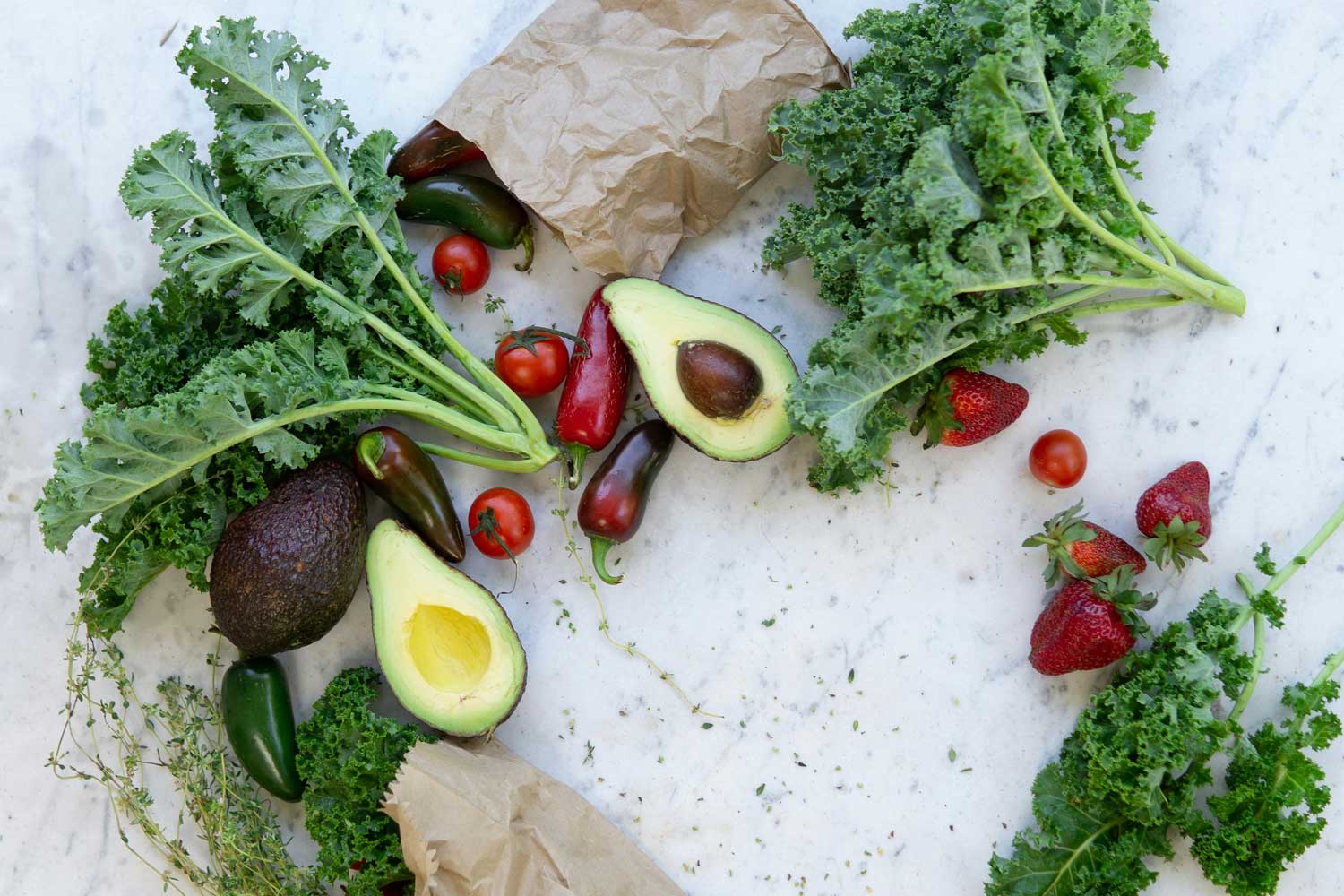
The best sources of fibre are whole, minimally processed plant foods: vegetables, fruits, nuts and seeds. Pulses – beans, lentils, chickpeas – are also excellent, though during the weight-loss phase of the Nozempic Diet, they’re saved for the maintenance phase when carbohydrate intake is gradually increased.
For variety within the plant foods you do eat, the research is clear: diversity matters. A study from the American Gut Project found that people who ate 30 or more different types of plant food per week had substantially more diverse gut microbiomes than those eating fewer than ten. I encourage clients to count types, not just portions. Read my guide to gut health here.
EASY WAYS TO HIT 30G OF FIBRE A DAY
Hitting 30g of fibre daily is more achievable than it might sound, once you know what to focus on. Here are the strategies I recommend:
- Aim for at least three different vegetables at both lunch and dinner, and fill roughly half your plate with them. Vegetables can be eaten in generous amounts and should be your primary fibre source.
- Include two portions of fruit per day, with at least one being berries. Berries are among the lowest-sugar fruits and rich in fibre and antioxidant compounds.
- Leave skins on where possible. A large portion of the fibre in vegetables and fruit sits in or just under the skin.
- Embrace chia seeds. Despite being categorised primarily as a fat, they provide around 34g of fibre per 100g and can be sprinkled onto salads or made into a simple chia pudding.
- Don’t overlook frozen and tinned vegetables — they’re often just as nutritious as fresh and make it much easier to maintain variety without daily shopping.
- Start meals with a vegetable-based soup or simple salad. It increases your fibre intake early and supports portion control for the rest of the meal.
- Add extra vegetables wherever meals allow — blended into sauces, stirred into stews, or layered into whatever you’re cooking.
CAN YOU SUPPLEMENT FIBRE?
If you’re consistently falling short of 30g through food alone, a fibre supplement can be a practical top-up. Look for options like psyllium husk, inulin, apple pectin, partially hydrolysed guar gum (PHGG) or beta-glucans. Some specific fibres – particularly inulin and glucomannan – are especially well evidenced for stimulating GLP-1 secretion and supporting fat loss.
Start with a small amount and increase gradually. Jumping too quickly to high doses can cause bloating and gas as your gut bacteria adjust. Always take fibre supplements with plenty of water, and check with your GP first if you’re managing a health condition or taking medication.
CAN AN INCREASE IN FIBRE CAUSE DIGESTIVE SYMPTOMS?
When fibre intake increases significantly after a period of low intake, some people experience temporary bloating, gas or changes in bowel habits. This is normal and usually settles within a couple of weeks as the gut microbiome adapts. If symptoms are more persistent, increasing intake more gradually and focusing on cooked vegetables and lower-FODMAP options initially tends to help. Constipation, counterintuitively, can also occur when fibre rises without adequate fluid intake – so drinking plenty of water throughout the day is essential.
This article is based on Principle #4 of The Nozempic Diet by Kim Pearson, published by Bluebird (£16.99). Buy your copy from Waterstones here.
WORK WITH US
Struggling with persistent hunger between meals, digestive issues, or simply unsure how to build more variety into your diet? Our team takes a personalised approach, helping you identify the gaps in your eating pattern and build a sustainable plan around whole, nourishing foods.
We are a team of qualified nutritionists who specialise in weight loss. If you’re ready to overcome your weight challenges, achieve your goal weight and maintain it long term, we can help. You can use this link to book in for a complimentary call today. This is an opportunity to talk through your challenges with a member of our team and decide together whether one of our Intelligent Weight Loss programmes is right for you. Or contact us to request a copy of our brochure and we will get back to you soon.
Sign up for our weight loss and wellness newsletter to receive the latest news, expert tips and advice direct to your inbox.